# A Deep Dive into the Difference Between Gel and Acrylic Nails: Insights from TTT Nails
Stepping into a high-end salon for the first time can be an overwhelming experience. Between the rows of colorful bottles and the various technical terms, many clients find themselves puzzled by the menu of services. As a dedicated [nails supply](https://bit.ly/48mK8jY) brand, TTT Nails aims to demystify the industry for both technicians and beauty lovers. One of the most common dilemmas remains: what exactly is **[the difference between gel and acrylic nails](https://tttnails.com/blogs/news/difference-between-gel-and-acrylic-nails)**, and which one deserves your investment?
In this guide, TTT Nails breaks down the science, the application, and the maintenance of these two popular enhancements to help you make an informed choice.

## Where the Paths Cross: Similarities Between Gel and Acrylic
Before we dissect the difference between gel and acrylic nails, it is helpful to acknowledge why they are both so beloved. At their core, both systems are designed to surpass the limitations of traditional air-dry nail polish.
The primary advantage of choosing either a gel or acrylic service is longevity. While standard polish might chip within forty-eight hours, both of these professional methods offer a robust, chip-resistant surface. When applied using premium nails supply products, both sets will remain "salon-perfect" for approximately two to three weeks or more. This durability is what makes professional manicures a worthwhile investment, saving you the constant effort of touch-ups and repainting at home.
## The Fundamental Difference Between Gel and Acrylic Nails
Technically speaking, gel is actually a member of the acrylic chemical family, but the way they behave during application and "curing" (hardening) sets them worlds apart.
### 1. The Composition and Application
Acrylic Nails: This classic method relies on a two-part system. A nail professional dips a brush into a liquid solvent (monomer) and then into a polymer powder. This creates a bead of "dough" that is applied to the natural nail to add significant length or provide a much stronger top layer. At TTT Nails, we provide high-clarity powders that allow for a seamless blend between the extension and the natural nail bed.
Gel Nails: Unlike the powder-and-solvent mix, gel is a pre-mixed specialist polish. It is typically applied like a thick lacquer directly onto the nail. While acrylics use a "mold" or tip to create dramatic length, gels are often used to enhance the natural nail's strength and provide a superior, high-gloss shine.
### 2. The Hardening (Curing) Process
The most immediate difference between gel and acrylic nails is how they dry.
Acrylics are famous for their speed; they begin to harden almost instantly upon contact with the air. The technician must be skilled and fast to shape the mold before it sets.
Gels, on the other hand, will remain wet indefinitely until they are "cured." This requires a specialist UV or LED lamp (a staple in any professional nails supply kit) to trigger the chemical reaction that hardens the polish. This gives the artist more time to ensure a perfect, smooth surface.
## Preparation and Texture: The Professional Touch
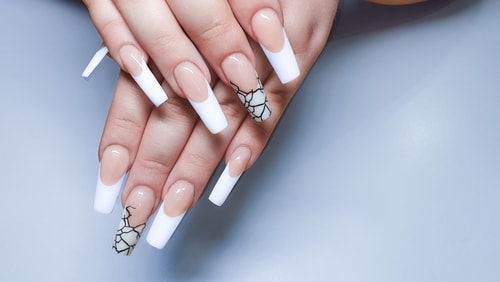
To ensure a long-lasting bond, the preparation of the natural nail is vital. For acrylics, a technician will usually file the surface of your own nails to create a slightly roughened texture. This "keying" of the surface allows the glue and acrylic mixture to create a powerful bond. Once the acrylic has dried, it can be filed and buffed into a variety of shapes, resulting in a very sturdy, natural-looking extension.
Gel nails are generally thinner and more flexible. Because they don't involve the same heavy molding process used for length in acrylics, they often feel lighter on the fingertips. However, if your goal is "sturdiness" and dramatic length, acrylics remain the industry champion.
(*)See more of our product collections:
* [Cre8tion](https://tttnails.com/collections/cre8tion)
* [DC 9D Cateyes Gel](https://tttnails.com/collections/dc-9d-cateyes-gel)
* [DC Mermaid Gel Swatch #07](https://tttnails.com/collections/dc-mermaid-gel-swatch-07)
* [DC Platinum Gel Swatch #06](https://tttnails.com/collections/dc-platinum-gel-06)
* [Dip Essentials](https://tttnails.com/collections/dip-essentials)
* [DND DIVA](https://tttnails.com/collections/diva)
## The Removal Process: Protecting Your Natural Assets
Eventually, every manicure must come off. This is where the difference between gel and acrylic nails becomes most apparent to the client.
Removing Acrylics: This can be a time-consuming task. Because the bond is so strong, the nails must be soaked in acetone for a significant period. Once the material has softened, it is carefully buffed away. Because this process is lengthier and involves more mechanical buffing, it can sometimes have more adverse effects on the natural nail if not handled with care.
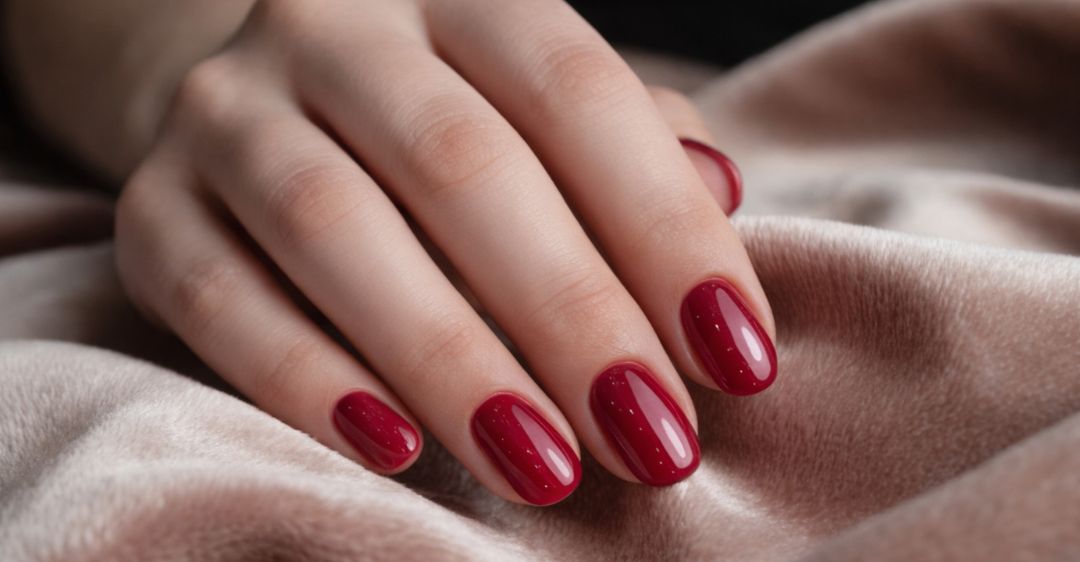
Removing Gels: This process is generally much swifter. A specialist acetone-based remover is used to break down the gel polish, allowing it to lift away from the nail more easily than its acrylic counterpart.
## Expert Advice from TTT Nails: Maintaining Nail Health
Regardless of which enhancement you choose, the health of your natural nails should always be the priority. At TTT Nails, we always recommend that technicians use the highest quality [nails supply](https://tttnails.com/) essentials to minimize chemical stress on the nail plate.
For the client, the best way to protect your nails between salon visits is frequent moisturization. Applying a rich cuticle oil or hand cream daily keeps the natural nail hydrated and flexible. This makes your nails better able to cope with the drying effects of acetone during removal and ensures a healthier "canvas" for your next application.
If you desire extreme length, a bold shape, and maximum durability, acrylic nails are likely your best match. If you prefer a lightweight feel, a super-glossy finish, and a faster removal process, gel nails are the way to go.
At TTT Nails, we believe that the secret to a stunning manicure lies in the quality of the tools. By choosing a salon that stocks premium nails supply products and employs licensed, experienced technicians, you can enjoy beautiful, long-lasting nails without compromising the health of your hands. Whether it's for a special event or a regular pampering session, understanding these differences ensures you’ll always leave the salon feeling confident and satisfied.
See more related articles:
1.[Understanding the Difference Between Gel and Acrylic Nails: A Comprehensive Guide by TTT Nails](https://hackmd.okfn.de/s/B1trJeWhZe)
2. [The Ultimate Guide to the Difference Between Gel and Acrylic Nails by TTT Nails](https://hedgedoc.eclair.ec-lyon.fr/s/2fd4DKf97w)
3. [How to Remove Gel Nail Polish at Home Safely: A Dermatologist-Approved Approach](https://hedgedoc.stusta.de/s/wNmBf5l5K)
4. [How to Remove Gel Nail Polish Safely](https://md.darmstadt.ccc.de/s/V55my2H6qv)
5. [How to Remove Gel Nail Polish Safely: Expert-Backed Advice for Healthier Nails](https://pad.libreon.fr/s/88eHkwvDf)